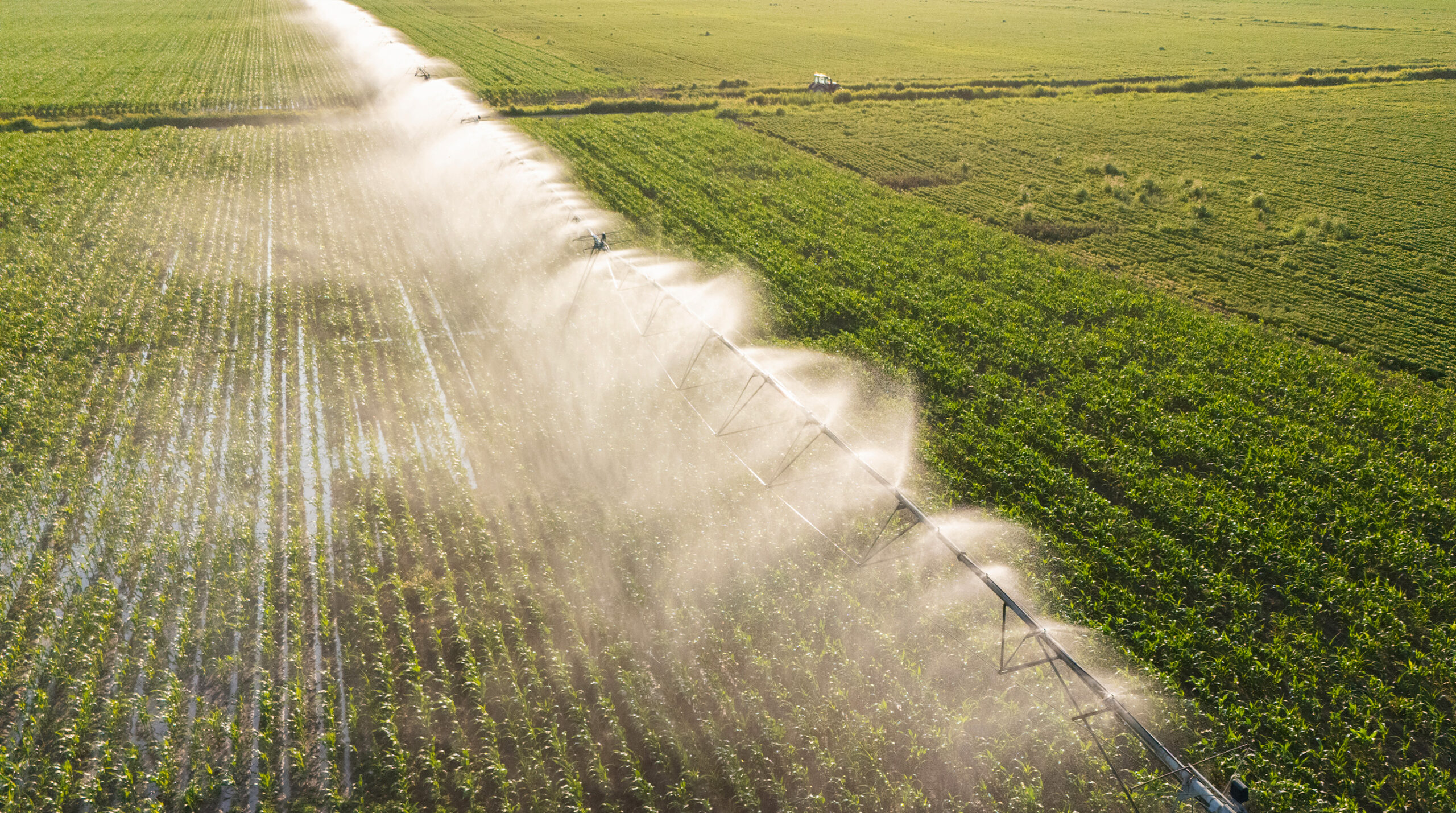
Despite the modernization carried out in irrigation in Spain in recent decades, the recent drought has once again placed this strategic sector in a situation of fragility in the face of one of its main challenges: how to combat the effects of the global climate emergency.
The conclusions of the XXXIX National Irrigation Congress, held in Úbeda in October 2023, emphasized the digitalization and the use of new technologies to improve irrigation efficiency as one of the main actions to address the current situation, without forgetting institutional support in simplifying bureaucracy and streamlining economic aid for investment. In this regard, the implementation of PERTE for irrigation with the support of European funds has been excellent news.
“Solar energy has emerged in recent years as a viable alternative source of energy for irrigation systems”
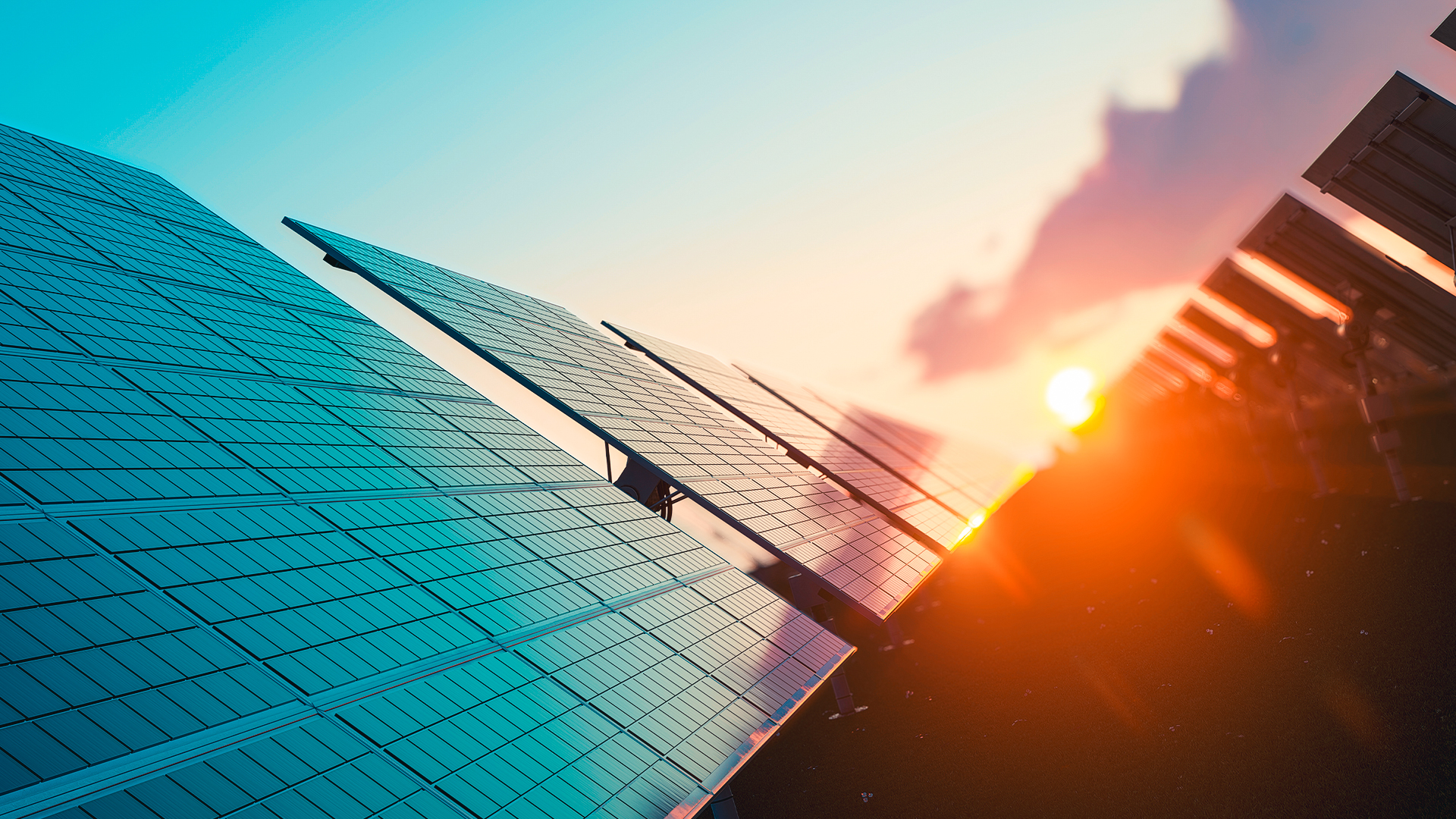
At Vector Energy we have been investing in technology in irrigation for years and consider its democratization to be essential, that is, that it can reach the maximum number of irrigators who can contribute to efficiency and the reduction of water and energy consumption. Solar energy has emerged in recent years as an alternative energy source viable for a large number of irrigation systems. The increasingly efficient evolution of available technology has been accompanied by a reduction in the costs of solar panels and auxiliary equipment, making solar energy the great ally of the irrigator.
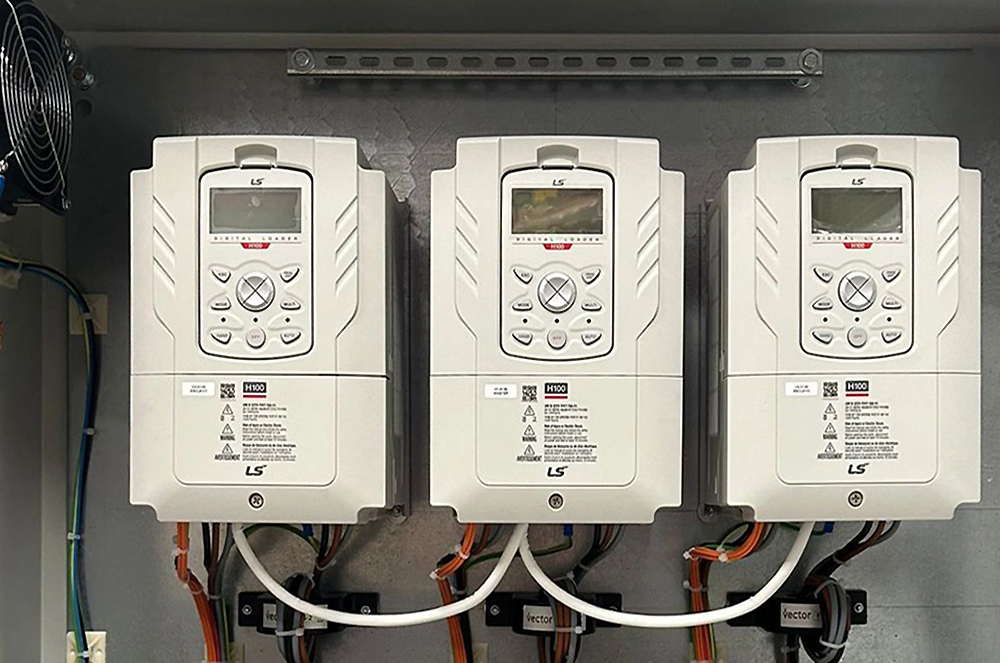
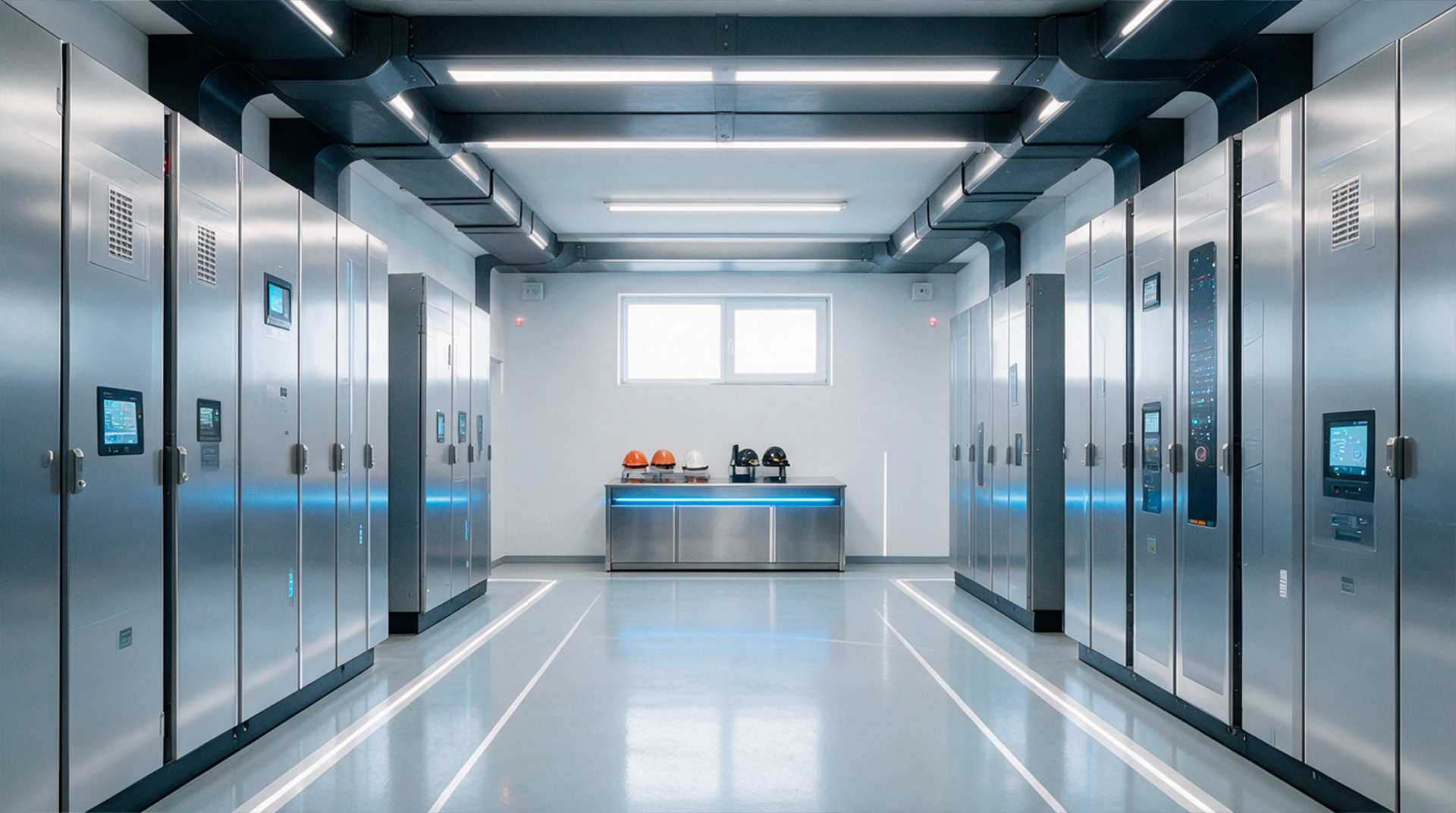
Solar inverters and frequency converters for pumping are the main equipment present in photovoltaic irrigation systems. Inverters, with their high capacity to generate electrical energy and convert the direct current from the solar panels into alternating current ready to be consumed in the installation, are common devices, although they are not always the best option.
Solar-powered frequency inverters are a more efficient solution for water extraction in all types of situations, whether isolated from the electrical grid or combined with the grid or a generator set. In remote areas where connection to the electrical grid is nonexistent or weak, the inverter is extremely effective and, in addition, its installation is often accompanied by the reduction or replacement of generators with fuel consumption that is clearly unsustainable.
Unlike these generators, which require continuous maintenance and have variable costs due to fuel prices, solar pumping has a predictable and stable cost structure. Once the initial investment in solar panels, frequency inverters, and inverters is made, operating costs are minimal. This means greater economic security for farmers, who can plan their budgets without worrying about fluctuations in the energy market.
In installations that require low power, the investment required for a solar pump is reduced.
In installations that require little power, the investment required for a solar pump is reduced and requires the completion of few on-site modifications. With the appropriate controller and a modest installation of a few solar panels, it is possible to supply irrigation to several hectares. In the case of large installations for the supply of large irrigation communities, the controllers prepared for solar pumping offer great flexibility in controlling and managing complex systems with multiple pumps, as well as advanced tools for monitoring and visualizing the main data of the installation in real time.
Regardless of the size of the installation, it is essential that the irrigation manager has access to the most appropriate technology and can count on the necessary technical and administrative support to make it effective. Only with this combination of knowledge from irrigation managers, technicians, and public administration will it be possible to guarantee the viability and sustainability of the farms and the competitiveness of the country's agriculture.
RICARDO MOLINA CTO of Vector Energy
Opinion article published in iAgua magazine number 49
Contact us for more information or any questions:
Phone numbers: 935 748 206



 Articles