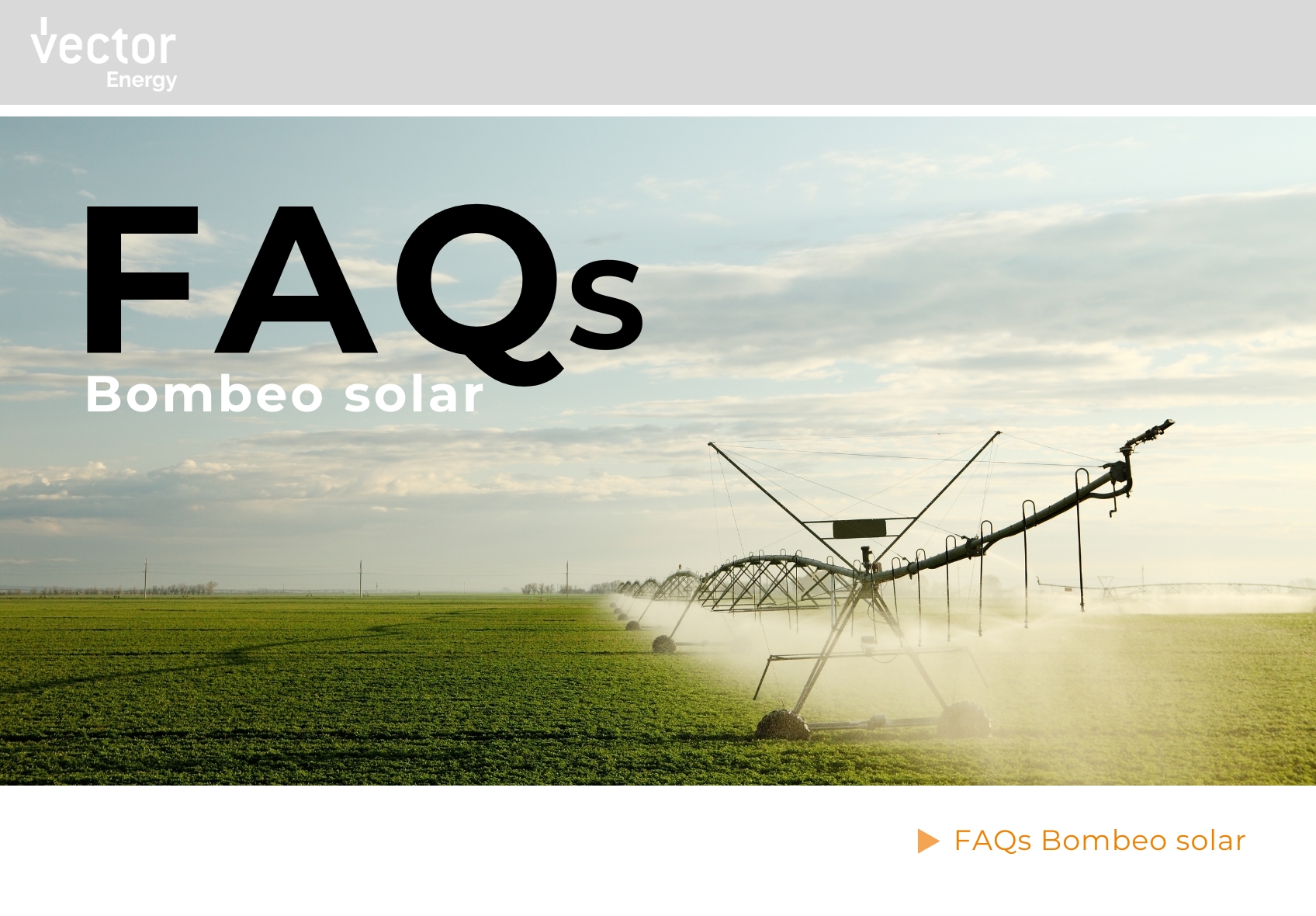
What is solar pumping?
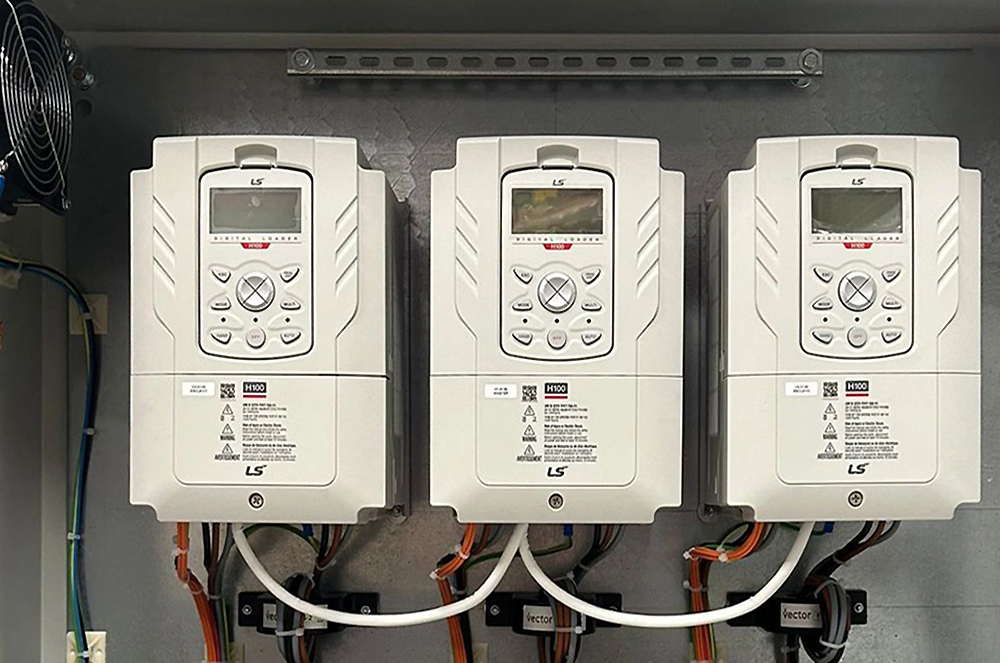
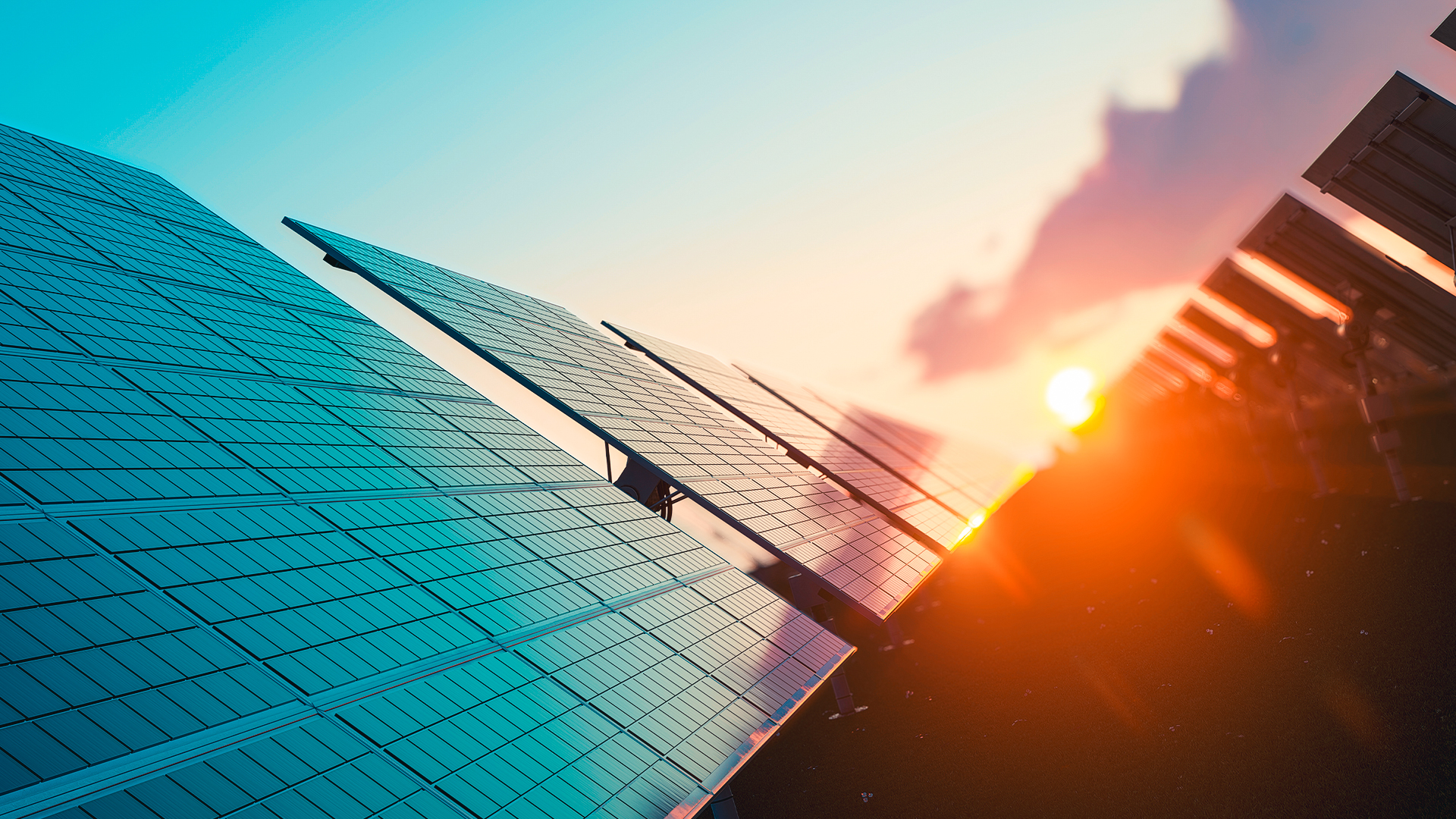
The solar pump It is a system that uses the energy of the sun and through a frequency inverter Pumps that extract water from wells, rivers, or other sources can be controlled. This system converts solar energy into electricity through solar panels, powering a pump that moves the water where it is needed.
What are the benefits of solar pumping?
Solar pumping systems offer several benefits, including:
– Energy autonomy: They do not depend on the electric grid, which makes them ideal for isolated areas.
– Economic efficiency: Once installed, the system harnesses the free energy of the sun, significantly reducing operating costs.
– Sustainability: It is an ecological option that contributes to reducing carbon emissions.
What types of bombs exist?
There are two main types of pumps:
– Surface pumps: They are used to move water from surface sources such as rivers or reservoirs.
– Submersible pumps: They are designed to extract water from deep wells and are more common in agricultural applications.
How is a solar pumping system dimensioned?
The sizing of a solar pumping system depends on several factors, such as:
– The amount of water that needs to be pumped.
– The depth of the well or the source of the water.
– Make a good hydraulic calculation.
– The geographical location, which determines the amount of solar energy available.
Anglia Vector Energy, Our experts help you to size the appropriate system according to your specific needs.
What is the lifespan of a solar pumping system?
The lifespan of a solar pumping system depends on the quality of the components and regular maintenance. Generally, solar panels can last up to 25 years old, Whereas the bombs usually have one useful life approximately 10 to 15 years.
What maintenance does a solar pumping system require?
Solar pumping systems require minimal maintenance, but it is important:
– Clean the solar panels regularly to ensure maximum energy capture.
– Check the electrical connections and the condition of the pump periodically.
– Replace worn parts according to the manufacturer's recommendations.
Is it profitable to install a solar pumping system?
Yes, especially in areas where the access to electricity is limited or expensive. Although the initial investment can be significant, the Long-term savings Its low energy costs and low maintenance make solar pumping a very cost-effective option.
What happens if you need to pump water during the night?
It is possible to pump water during the night. Combining the solar pumping system with batteries that store the energy generated during the day. Alternatively, a hybrid system can be used that combines solar energy with another energy source, such as a generator or the electrical grid, to ensure the continuous supply of water.
Can a solar pumping system be integrated with an automated irrigation system?
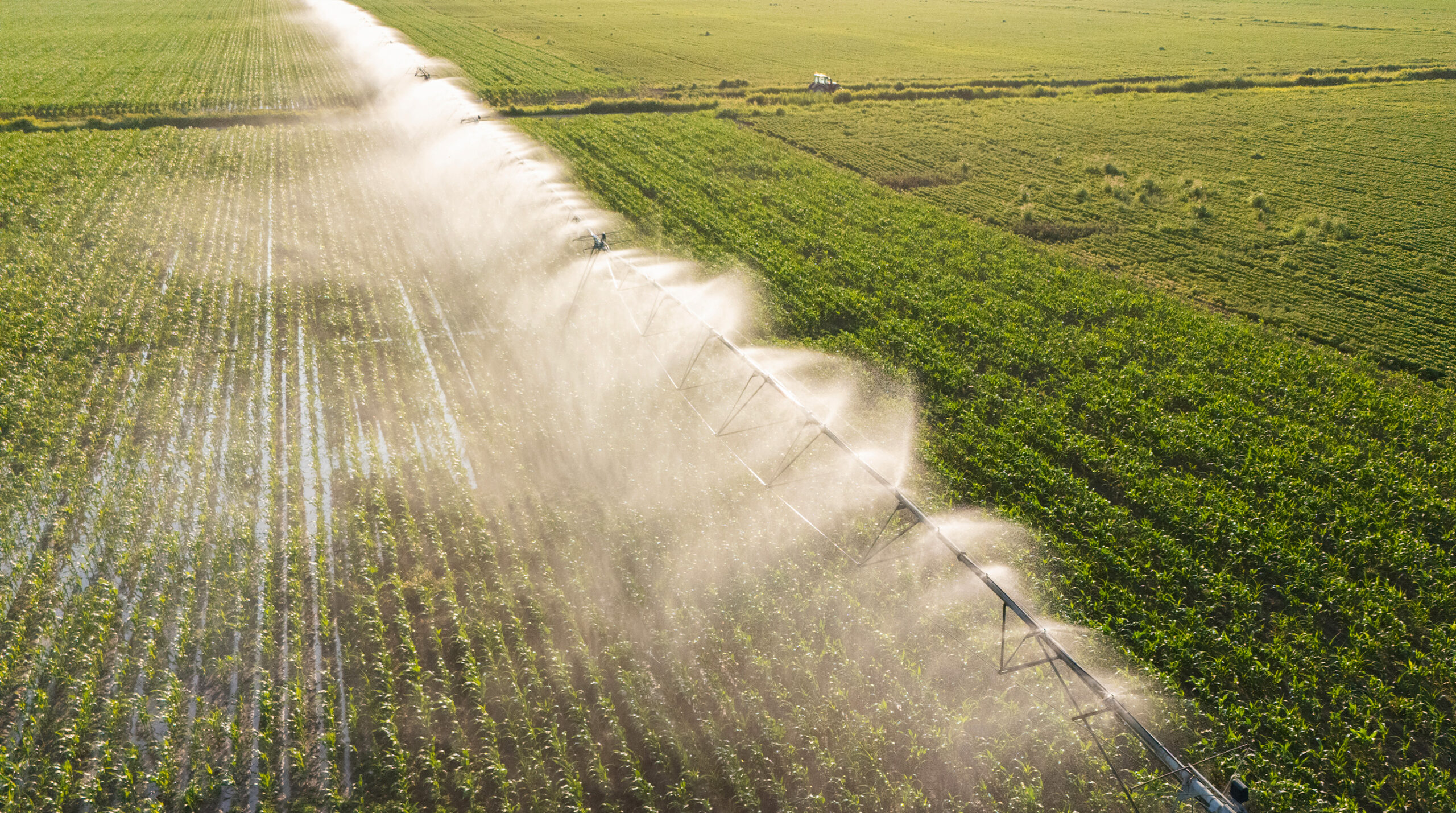
Yes, solar pumping systems They can be easily integrated with automated irrigation systems. This allows for efficient and scheduled water supply, optimizing the use of the water resource for crops and gardens.
What costs are involved in installing a solar pumping system?
Costs can vary depending on the scale of the project, the type of pump, the capacity of the system, and the location. The main components that influence the cost include the solar panels, the pump, the inverter, and any additional energy storage system. It is also important to consider the long-term installation and maintenance costs.
What is the process for installing a solar pumping system?
The process generally involves the following steps:
1. Site evaluation: Analysis of the location and pumping needs.
2. System design: Selection of suitable components according to specific requirements.
3. Installation: Assembly of the solar panels, installation of the pump and configuration of the system.
4. Testing and commissioning: Ensuring that the system works properly.
5. Maintenance and support: Follow-up and technical support after installation.
What incentives or subsidies exist for the installation of solar pumping?
Depending on the country or region, there may be tax incentives, subsidies, or financing programs available for the installation of renewable energy systems, including solar pumping. It is advisable to research the options available in your area or consult with our Vector Energy specialists for more information.
Can I expand a solar pumping system in the future?
Yes, solar pumping systems are scalable. If your water needs increase in the future, you can add more solar panels or increase the capacity of the controller and pump to meet the new demand.
Discover the complete solution for solar pumping with Vector Energy frequency inverters here
Download the Full PDF of FAQs

Consult us;
Phone numbers: 935 748 206
Tel. SAT Automation: 937 618 313

 Articles