Data centers and BESS: photovoltaic integration and greater operational security
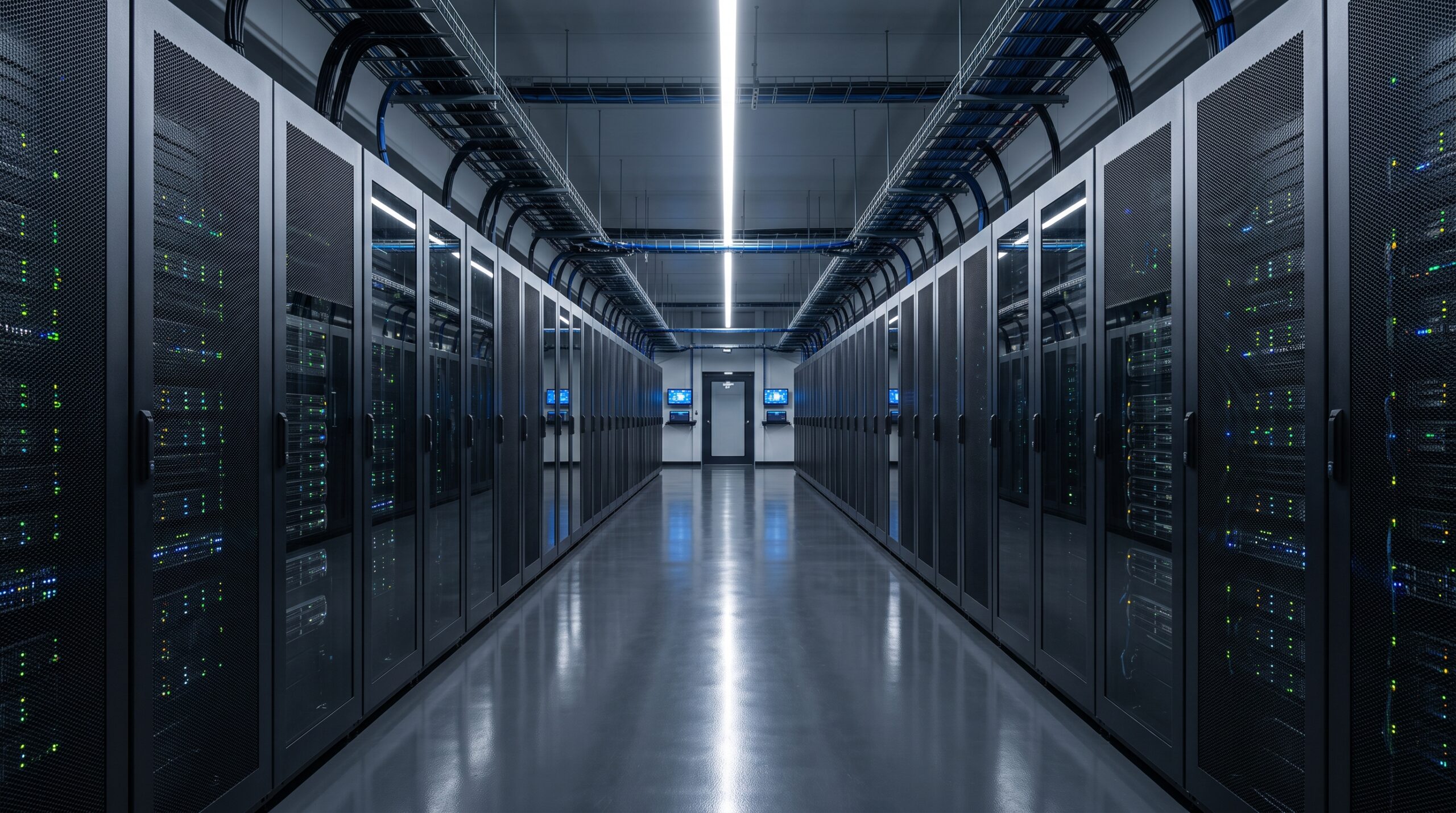
Data centers need a continuous, stable and high-quality power supply. At the same time, the growth in computing and cooling capacity increases consumption, power demand and the pressure to reduce carbon footprint. A BESS can complement the data center electrical architecture, facilitate photovoltaic integration and provide new layers of flexibility and resilience.
The battery can store renewable energy, limit power spikes, and support installation during outages. However, its integration must respect an architecture that typically includes redundant power supply, UPS, generators, transfer systems, and strict availability protocols.
Integration with photovoltaic generation
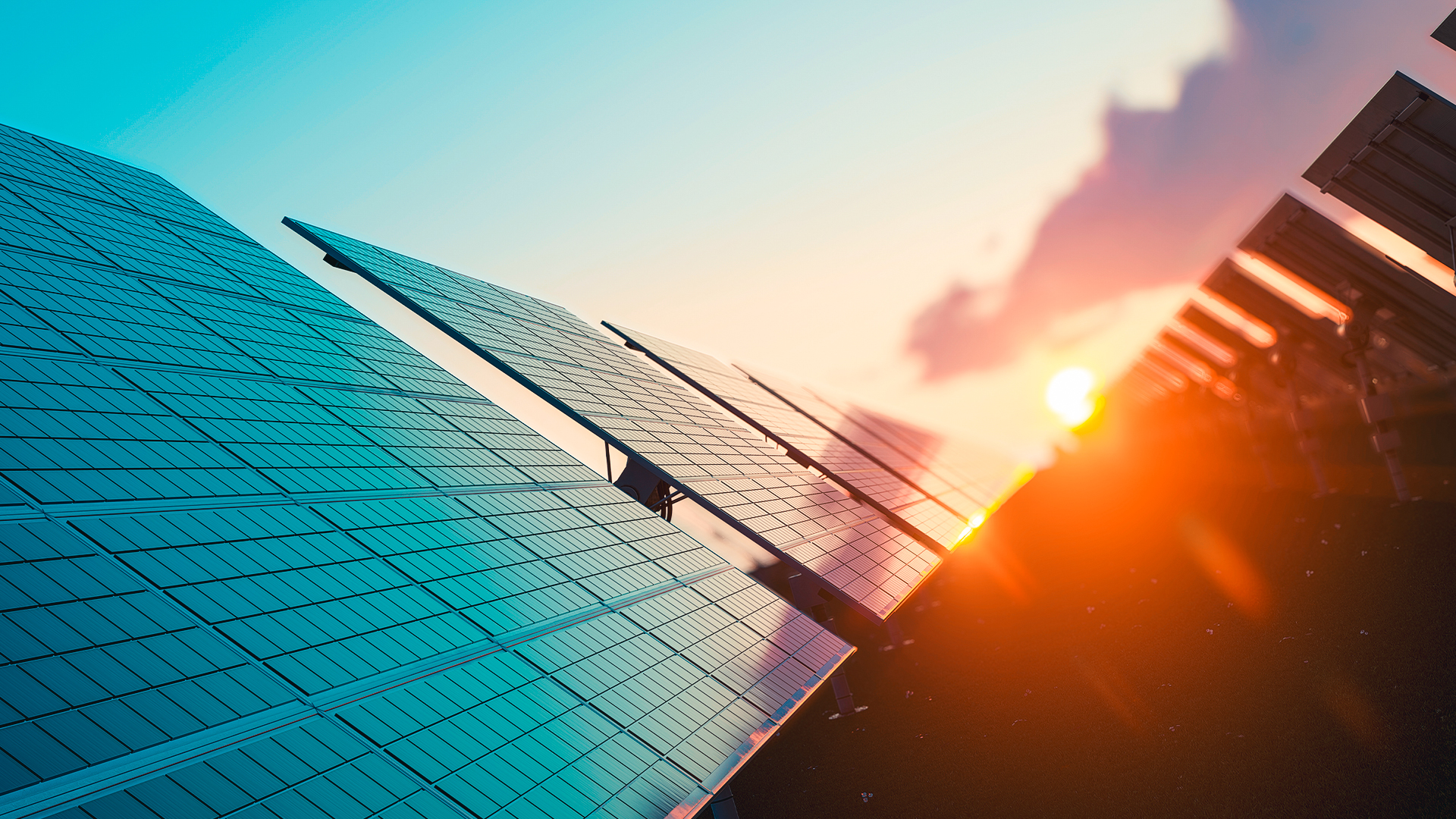
Solar production does not necessarily match the load profile of the data center. A BESS allows for storing excess energy and using it when generation decreases, increasing the local utilization of renewable energy. It can also smooth out rapid fluctuations caused by weather changes and limit exchanges with the grid.
The EMS coordinates photovoltaic production, IT demand and cooling, load status, and connection point limits. The strategy can reserve energy for contingencies and use only the remaining margin for self-consumption or arbitrage.
Operational security and continuity
A BESS can provide immediate support during a disruption and collaborate in the transition to other backup sources. In certain designs it can also be part of a microgrid and support selected loads. However, it should not be assumed that it directly replaces an UPS: the uninterrupted continuity, the quality of the waveform, the selectivity, and the transfer time must be verified for each architecture.
Integrated with power generators, the BESS can cover transients, reduce unnecessary starts, stabilize the microgrid, or allow the generators to operate in more efficient ranges. The appropriate combination depends on the required levels of redundancy and availability.
Benefits for the data center
· Greater utilization of renewable energy: It stores photovoltaic production to use it at other times.
· Peak reduction: limits maximum demand associated with IT loads, cooling or expansions.
· Supplementary support: provides fast and controlled power in the event of disruptions or network failures.
· Better use of the connection: It can facilitate temporary load growth without transferring all the additional power to the grid.
· Energy flexibility: It allows the combination of self-consumption, arbitrage and network services with a safety reserve.
· Advanced monitoring: integrates energy data useful for operation and capacity planning.
Security of the BESS itself
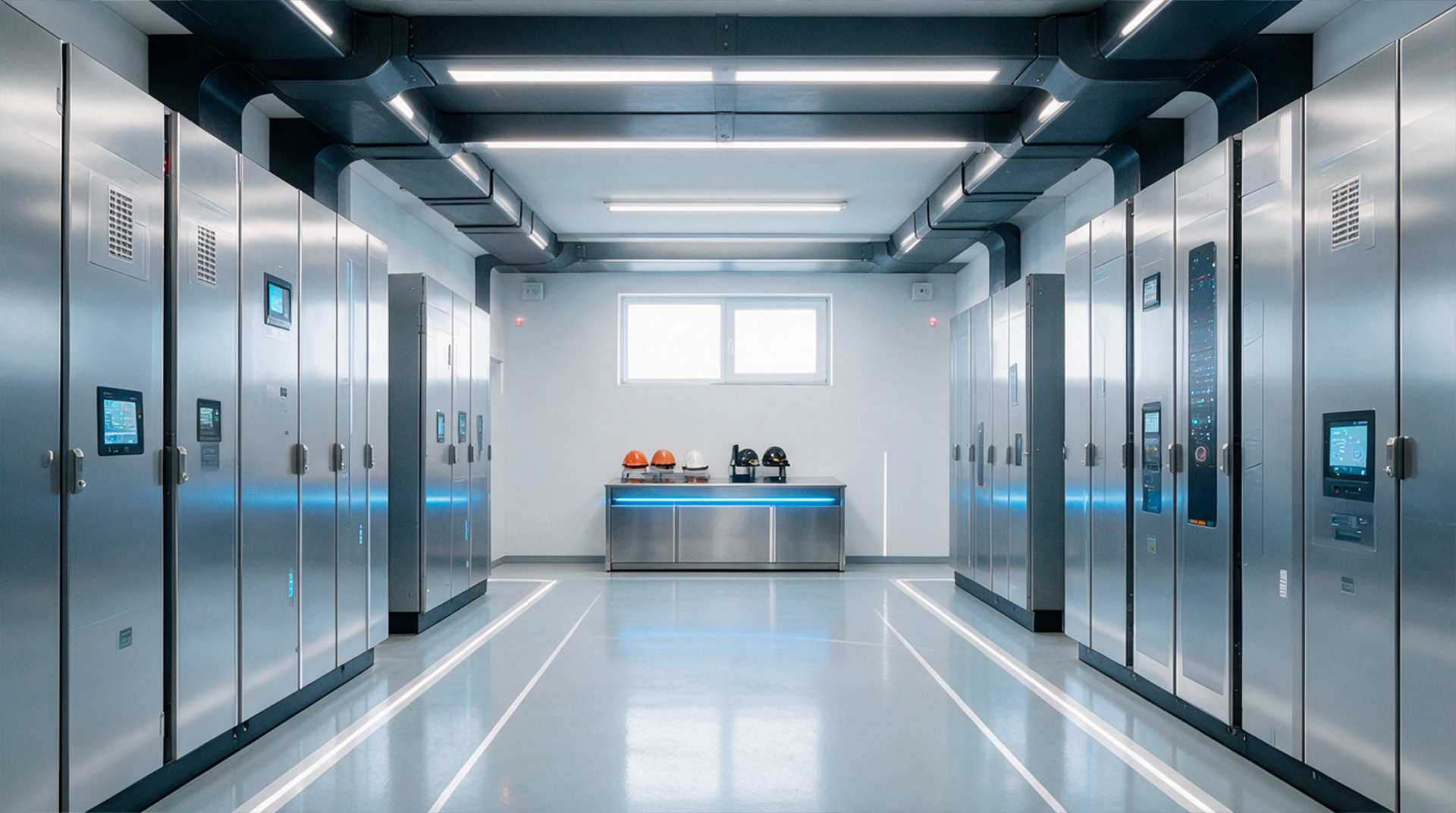
In a critical infrastructure, the design must consider cell chemistry, early detection, compartmentalization, extinction, ventilation, thermal control, cybersecurity, and emergency procedures. The location and coordination with the building systems are as important as the battery power.
At Vector Energy, we approach each project from an electrical and operational integration perspective. A properly sized and coordinated BESS can contribute to a more efficient, renewable, and resilient data center, without compromising the safety and continuity criteria required by a critical facility.
Learn more: sunvec.es/storage





 Articles